


Throughout the day on April 20, the crypto market went into a mode that, at least to me, seems much more impactful than a mere price correction. What happened was not just a retracement in Bitcoin and Ethereum, but a stark reflection of how deeply ingrained digital assets have become in the wider financial system. The market is no longer reacting in a vacuum, it’s reacting to global macroeconomic forces and that changes the entire story.
Bitcoin recently tested levels near $78,000 before retreating into the $74,000-$75,000 zone. On paper this looks like a routine consolidation after a strong upward move but the underlying drivers show something more complex. The retracement wasn’t due to any breakdown in the crypto ecosystem itself. There were no big protocol issues, no regulatory shocks specific to crypto, and no market structure breakdown.” Instead, the decision was mainly driven by a broader decline in global risk appetite.
By then, already, financial markets were reacting to geopolitical tensions and uncertainty around monetary policy. Investors started to cut exposure to risk-sensitive assets and crypto followed almost immediately. It would have been much less likely had this happened a few years ago, when Bitcoin was still largely seen as an alternative system separate from traditional finance. That divide has all but disappeared now.
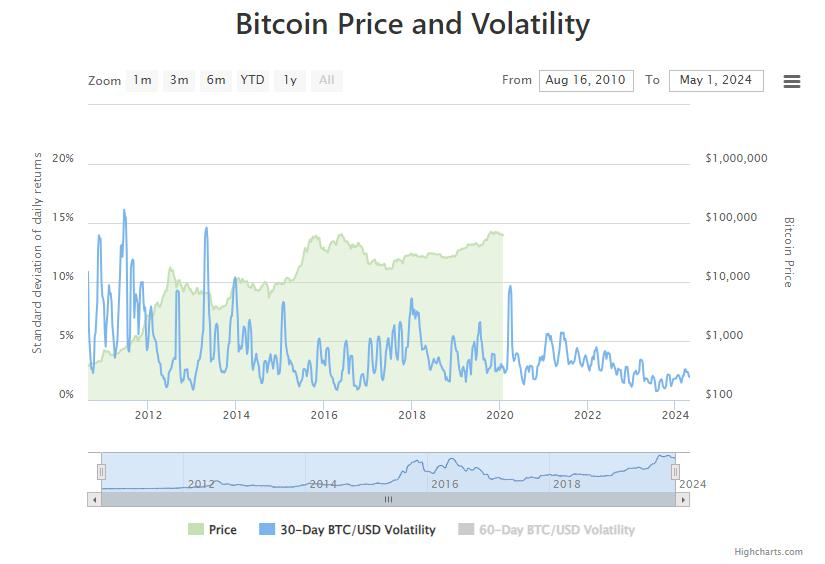
The interesting thing about April 20 price action is not the pullback but how controlled the pullback was. There was no panic selling, no cascade of liquidations, and no extreme spike in volatility. The market corrected gradually instead, suggesting a maturity that’s been growing over time. This more stable structure has been driven by institutional participation, increased liquidity and the proliferation of financial instruments such as ETFs.
To me this is one of the biggest differences from past cycles. In earlier times such an adjustment in the macro could have produced a much sharper decline.” The market is better at absorbing shocks today, but remains sensitive to external shocks.
The End of the “Digital Gold” Narrative
One of the biggest lessons from Apr. 20 is the further erosion of Bitcoin’s identity as a safe haven asset. For years, the narrative was Bitcoin as “digital gold,” especially during times of economic instability. But recent behaviour suggests that this story is not in touch with reality.
When uncertainty grew, investors did not put money into crypto as a hedge. Instead they cut exposure, treating it as a high risk asset, like tech stocks. In theory this change is subtle. In practice it is very clear. Crypto is now part of the risk-on/risk-off cycle, meaning its performance is heavily reliant on investor sentiment, rather than a hedge against it.
Personally, this is where the story becomes more interesting. The narrative hasn’t fully caught up yet, but the market behavior already has. And in finance, behavior usually tells the truth before the narrative does.
A Market Without Immediate Catalysts
One more feature of the market on April 20 was the absence of strong short-term catalysts. There were no major announcements to drive momentum, no regulatory breakthroughs, and no technological upgrades to act as a trigger for a new rally. This resulted in a consolidation phase in the market, characterized by sideways movement and cautious positioning.
This kind of environment often is a reflection of uncertainty not weakness. Investors are not necessarily bearish they are just waiting. We are waiting for interest rates to become clear. We are waiting for geopolitical situations to settle down. We are waiting for a better signal that next directional move is warranted.
Crypto’s Growing Dependence on Macroeconomics
What is becoming increasingly clear is that macroeconomic forces now dominate the crypto market. Price movements are determined by decisions by institutions such as the Federal Reserve, changes in inflation expectations and changes in global liquidity.
That’s a big change. In previous cycles, crypto was often driven by internal factors such as halving events, adoption trends or technological innovation. While those factors still matter, they are now secondary to broader economic conditions.
In practical terms, this means that crypto investors must pay attention to the same indicators that drive traditional markets. Interest rate expectations, bond yields, and geopolitical developments are no longer external factors they are central to understanding crypto behavior.
Underlying Innovation Continues to Advance
Though price momentum seems to have slowed down, the crypto ecosystem itself is still evolving fast. Trading activity continues to be strong and new features continue to generate short bursts of volume and speculative interest. At the same time, the rise of financial products related to crypto is cementing its integration into the global system.
Crypto Ecosystem Growth and Integration
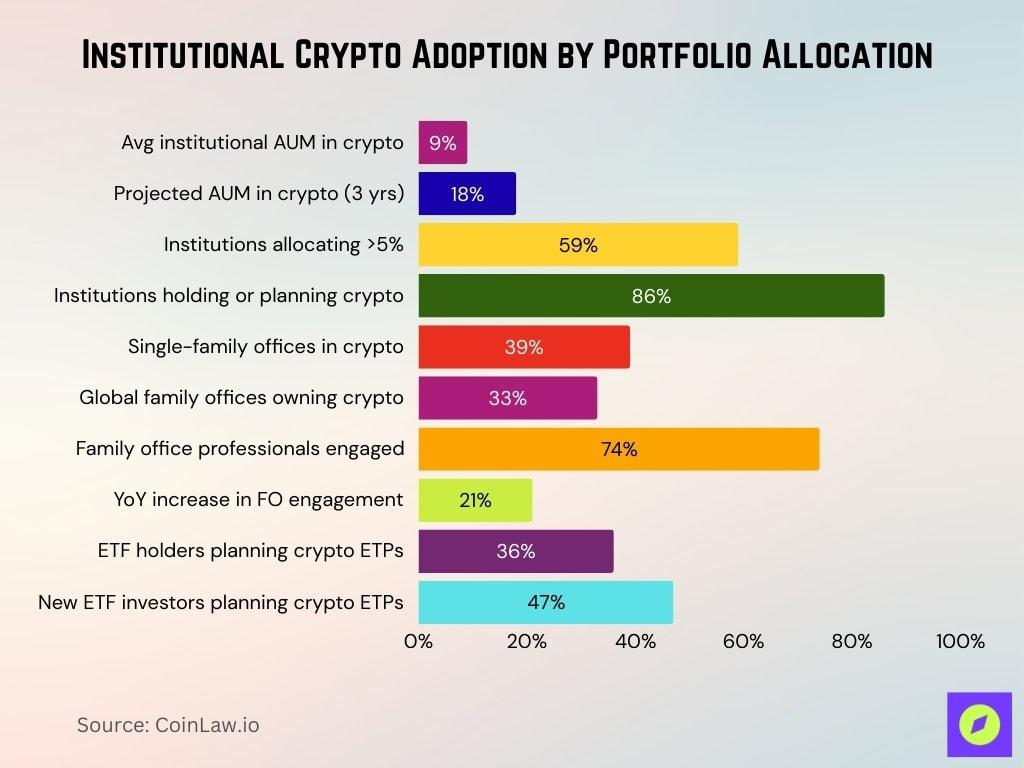
Products such as ETFs and staking solutions are making crypto more accessible to institutional and retail investors alike, while also increasing its connection to traditional finance. This integration brings both stability and exposure, as crypto becomes subject to the same forces that influence other asset classes.
Short-Term Outlook After April 20
“The market appears to be balanced as of April 20. There is enough support to prevent a sharp slide, but not enough momentum to sustain a strong upward push. The next step will likely be dictated by external factors rather than internal developments.
There is potential for the bullish trend to resume if macroeconomic conditions improve especially if inflation stabilizes and geopolitical tensions ease. But if there is still uncertainty then the more likely scenario is for sideways movement to continue, with periods of volatility.
From where I see it, the market is not weak it is cautious. And that distinction matters.
Conclusion: A New Phase for Crypto Markets
April 20 is noteworthy not because of dramatic price action but what it reveals about the evolution of the crypto market. Bitcoin and Ethereum are no longer outside the financial system, they are fully embedded in it.
This shift changes the way the market works, how investors think about risk, and how future cycles will play out. Crypto is not about technology or ideology anymore, it’s about macroeconomics, liquidity and global sentiment.
And if anything feels clear right now, it’s this: the days of crypto moving independently are over. What happens next will be shaped not only by innovation, but by the same forces that drive the entire global